

How to Chill Out With a Classic Browser Game: Papa’s Freezeria There’s something oddly satisfying about serving virtual customers, getting their orders just right, and watching your tips stack up. Papa’s Freezeria is one ...








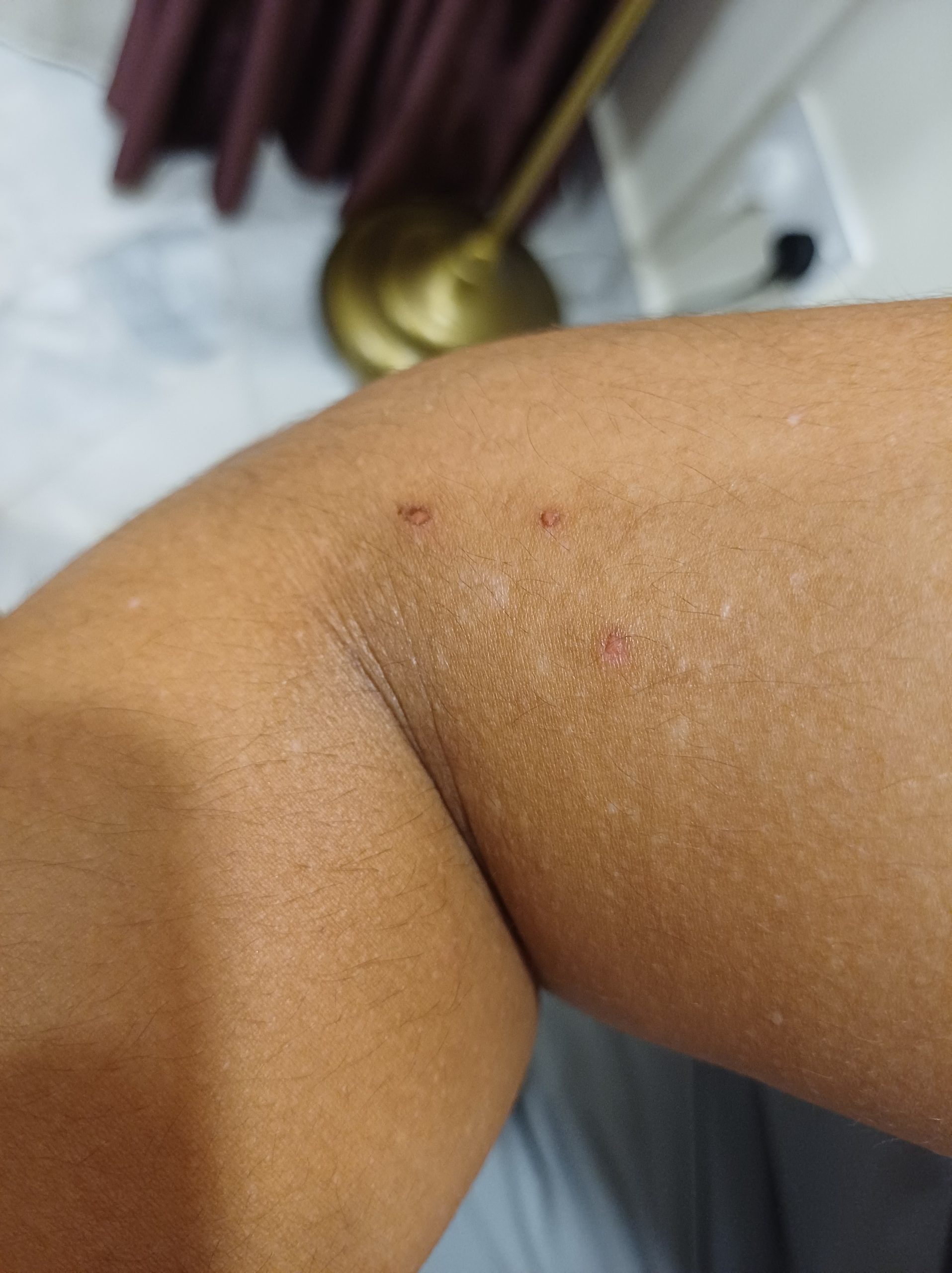

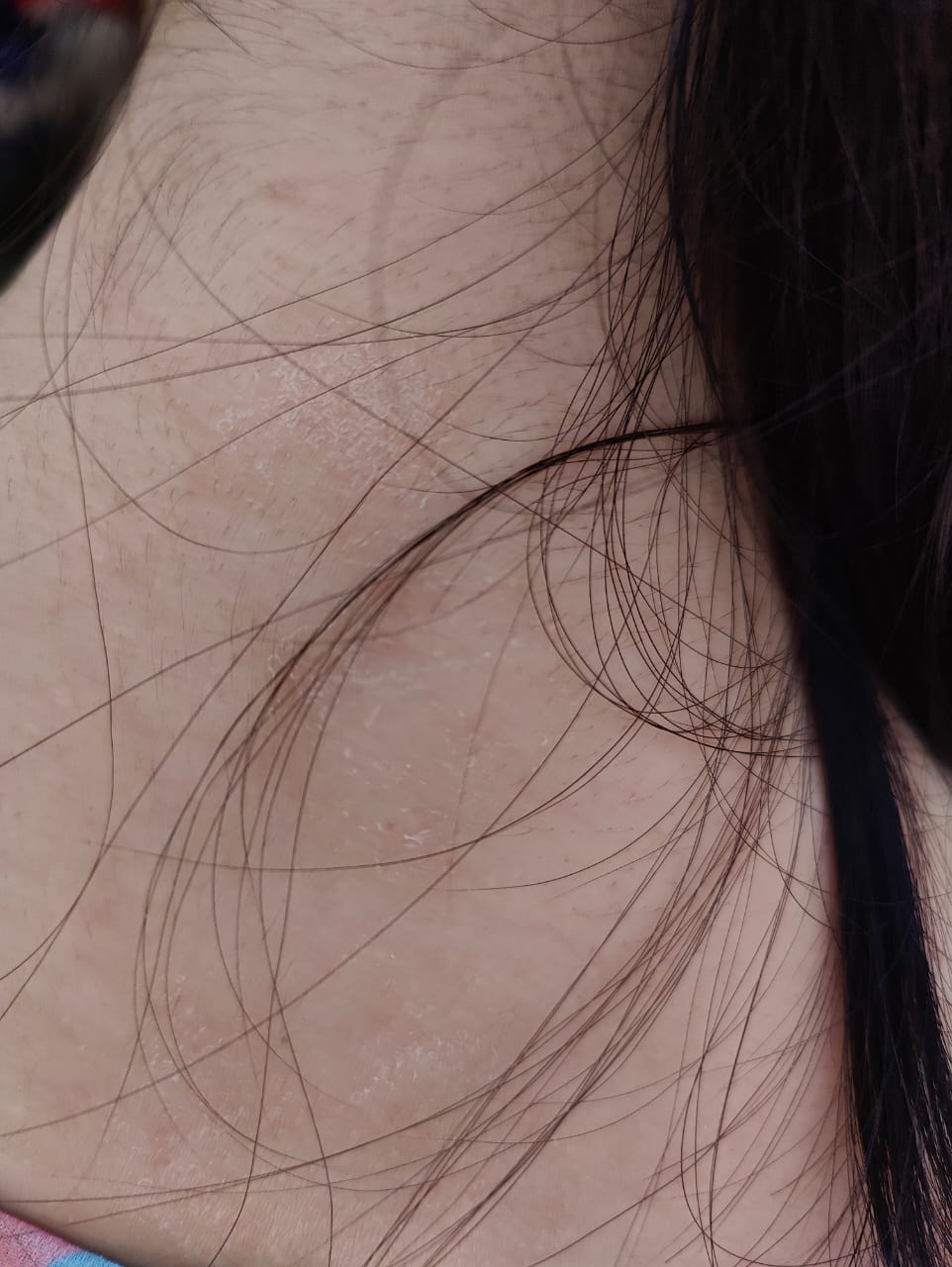

To differentiate between a fungal infection and eczema, consider the following clinical features and diagnostic approaches: Clinical Features 1. Fungal Infection (Tinea) - Appearance: Often presents as a well-demarcated, red, scaly patch. It may have a ring-like appearance with a clearer center, altRead more
To differentiate between a fungal infection and eczema, consider the following clinical features and diagnostic approaches:
Clinical Features
1. Fungal Infection (Tinea)
– Appearance: Often presents as a well-demarcated, red, scaly patch. It may have a ring-like appearance with a clearer center, although this is not always the case.
– Location: Commonly affects areas prone to moisture, such as the groin, feet, or scalp, but can occur on the neck.
– Symptoms: Itching is common, and the skin may appear flaky or have a moist appearance.
– Progression: Can spread to other areas, especially if untreated.
2. Eczema (Atopic Dermatitis)
– Appearance: Typically presents as dry, flaky, and sometimes thickened skin. In darker skin tones, it may appear darker or lighter than the surrounding skin.
– Location: Commonly affects the neck, elbows, knees, and face in adults.
– Symptoms: Intense itching is a hallmark. It may be associated with a personal or family history of allergies or asthma.
– Progression: Often chronic and recurrent, with periods of flare-ups and remissions.
Diagnostic Approaches
1. Physical Examination: A thorough examination by a healthcare professional can provide clues based on the appearance and distribution of the rash.
2. Potassium Hydroxide (KOH) Preparation: A simple test where a sample of the skin is scraped and examined under a microscope to look for fungal elements. This can confirm a fungal infection.
3. Fungal Culture: If the KOH test is inconclusive, a culture can be done to identify the specific fungus, although results take longer.
4. Patch Testing: If eczema is suspected, especially if contact dermatitis is a concern, patch testing can help identify potential allergens.
5. Response to Treatment:
– Fungal Infections: Typically respond to antifungal treatments. If there is no improvement with antifungal creams, it may suggest a non-fungal cause.
– Eczema: Often responds to moisturizers and topical steroids. If there is no improvement, consider other diagnoses or consult a dermatologist.
Recommendations
– Consult a Dermatologist: Given that the patch has not responded to initial treatments, a dermatologist can provide a definitive diagnosis and tailor treatment accordingly.
– Avoid Irritants: Regardless of the cause, avoid potential irritants such as harsh soaps, perfumes, and tight clothing that can exacerbate the condition.
– Monitor for Changes: Keep an eye on any changes in the rash, such as spreading, increased itching, or signs of infection (e.g., pus, increased redness), and report these to your healthcare provider.
It’s important to follow up with a healthcare professional to ensure accurate diagnosis and appropriate management.
See less


The appearance of bumps on your arm specifically when stressed could be related to a condition known as stress-induced urticaria or hives. This condition occurs when the immune system releases histamines and other chemicals into the bloodstream in response to emotional stress, leading to the formatiRead more
The appearance of bumps on your arm specifically when stressed could be related to a condition known as stress-induced urticaria or hives. This condition occurs when the immune system releases histamines and other chemicals into the bloodstream in response to emotional stress, leading to the formation of hives—raised, itchy welts on the skin.
Here are some relevant insights into this condition and components to consider:
1. Mechanism: Stress can trigger the release of neuropeptides and other factors that influence the immune system, causing the release of histamine from mast cells, leading to hives. These can present as red, raised bumps and are typically itchy.
2. Localization and Triggers: The fact that the bumps appear on a specific area like your arm might be due to localized sensitivity or mechanical pressure in that area, which is exacerbated by stress. This is known as dermographism or pressure urticaria.
3. Diagnosis: It is important to differentiate these from other skin conditions that can mimic hives or are influenced by stress, such as eczema or psoriasis. A healthcare professional can provide a thorough evaluation.
4. Management: Managing stress through techniques such as mindfulness, breathing exercises, or regular physical activity can help reduce symptoms. Over-the-counter antihistamines might also be effective in alleviating symptoms. However, consult with a healthcare provider for a treatment plan suited to your situation.
5. Monitoring and Consultation: Keeping a diary of when these bumps occur in relation to your stress levels and other potential triggers can provide valuable insight. Consult a dermatologist or an allergist for definitive diagnosis and tailored management strategies.
Remember, while stress-induced hives are common, other medical conditions might present similarly, so professional evaluation is recommended to rule out underlying causes.
See less