

hi i have a headache for 5 days and it becomes sharp at times and hasn’t gotten any better over the past few days my eye is paining as well as i have glaucoma. i have fever and blisters on ...
Medical Channel Asia Latest Questions

Have you ever wanted to just… destroy a planet? Maybe relieve some stress after a long day? If so, then Solar Smash might just be the game for you! This deceptively simple, yet incredibly satisfying, game lets you unleash a ...



Why Horror Games Make Familiar Places Feel Wrong One of the most unsettling things horror games do isn’t showing monsters. It’s changing ordinary places just enough that they stop feeling trustworthy. A school hallway. A family home. A hospital corridor. An apartment kitchen. These are spaces players ...

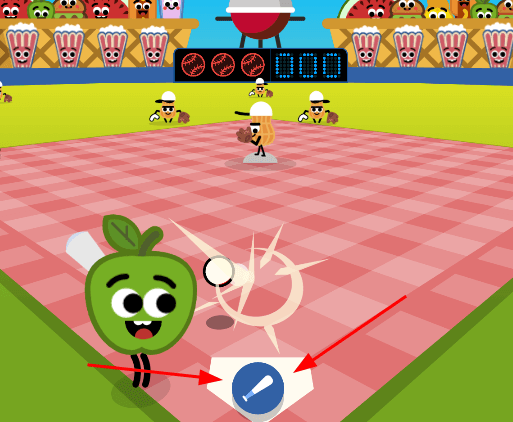
Doodle Baseball Is Weirdly Good at Turning Bad Days Around I opened the game because I was bored. Not “I have nothing to do” bored — more like the mentally exhausted kind of boredom where scrolling through social media somehow feels more ...


The Role of Waste Segregation in Achieving Zero-Waste Targets The corporate push towards achieving verifiable “zero-waste-to-landfill” status ...


Lost? Found a Store! Mastering the Art of “Where Am I?” Store Management with Geoguessr Free

Cookie Clicker is an incremental game, often jokingly called an idle game. Developed by French programmer Julien “Orteil” Thiennot in 2013, it became a social media phenomenon and redefined the game genre. The rules are extremely ...

Flash Games – The Nostalgic Era of Browser Gaming That Defined a Generation


<h2>How AI Tools Like Textideo Are Transforming Medical Content Creation</h2> <p>In today’s fast-paced digital healthcare environment, clear and engaging communication is more important than ever. Whether it’s patient ...
Hi, thank you for your message. Based on what you’ve described, there are a few different possible causes and I would really need to examine your eye to give you a clearer answer. Since you mentioned glaucoma, one possibility is raised eye pressure. This can cause eye pain, headache, and in some casRead more
Hi, thank you for your message. Based on what you’ve described, there are a few different possible causes and I would really need to examine your eye to give you a clearer answer.
There are also other possible diagnoses we’d need to consider, especially since your symptoms involve multiple areas.
I’d really advise that you see an ophthalmologist or go to a hospital for a proper eye examination and further work-up.
Regards,
See lessDr Grace Tan
Ophthalmology Medical Officer
Ministry of Health Malaysia