

Geometry Dash may look chaotic at first, with flashing colors, fast movement, and dense obstacle patterns, but beneath the surface lies a carefully designed rhythm platformer.
Controlled Simplicity
The Geometry Dash game’s controls are extremely simple, relying on a single tap to jump or fly. This simplicity removes distractions and puts all emphasis on execution. Every obstacle is placed with intention, meaning success comes from learning patterns rather than relying on luck.
Flow Through Rhythm
Each level follows a musical structure, using electronic tracks to guide pacing and intensity. Obstacles often appear on beats or drops, helping players internalize the level’s rhythm. Once the flow is learned, gameplay feels smooth and almost automatic.
Evolution Through Mechanics
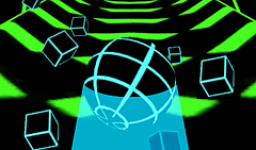
As levels progress, Geometry Dash introduces different movement modes such as cube, ship, ball, wave, and robot. Each mode requires a different approach, forcing players to adapt quickly while maintaining rhythm and precision.
Community at the Heart
The level editor has turned Geometry Dash into a platform for creativity. Players constantly release new levels featuring complex visuals, innovative mechanics, and extreme difficulty. The community keeps the game evolving long after official updates.
The Reward of Discipline
Failure is frequent, but improvement is constant. Instant restarts allow players to maintain momentum and learn efficiently. Beating a challenging level feels like mastering a performance rather than simply finishing a stage.
A Game That Demands Respect
Geometry Dash has earned its reputation as a tough but fair game. Its lasting popularity comes from its respect for player skill and its refusal to compromise on challenge.
In essence, Geometry Dash is about mastering control within chaos—where rhythm, memory, and precision define success.


Leave a comment