


SQS점수 기준표 알려주세요 몇점부터 고위험군인지, 정상군인지 궁금합니다.

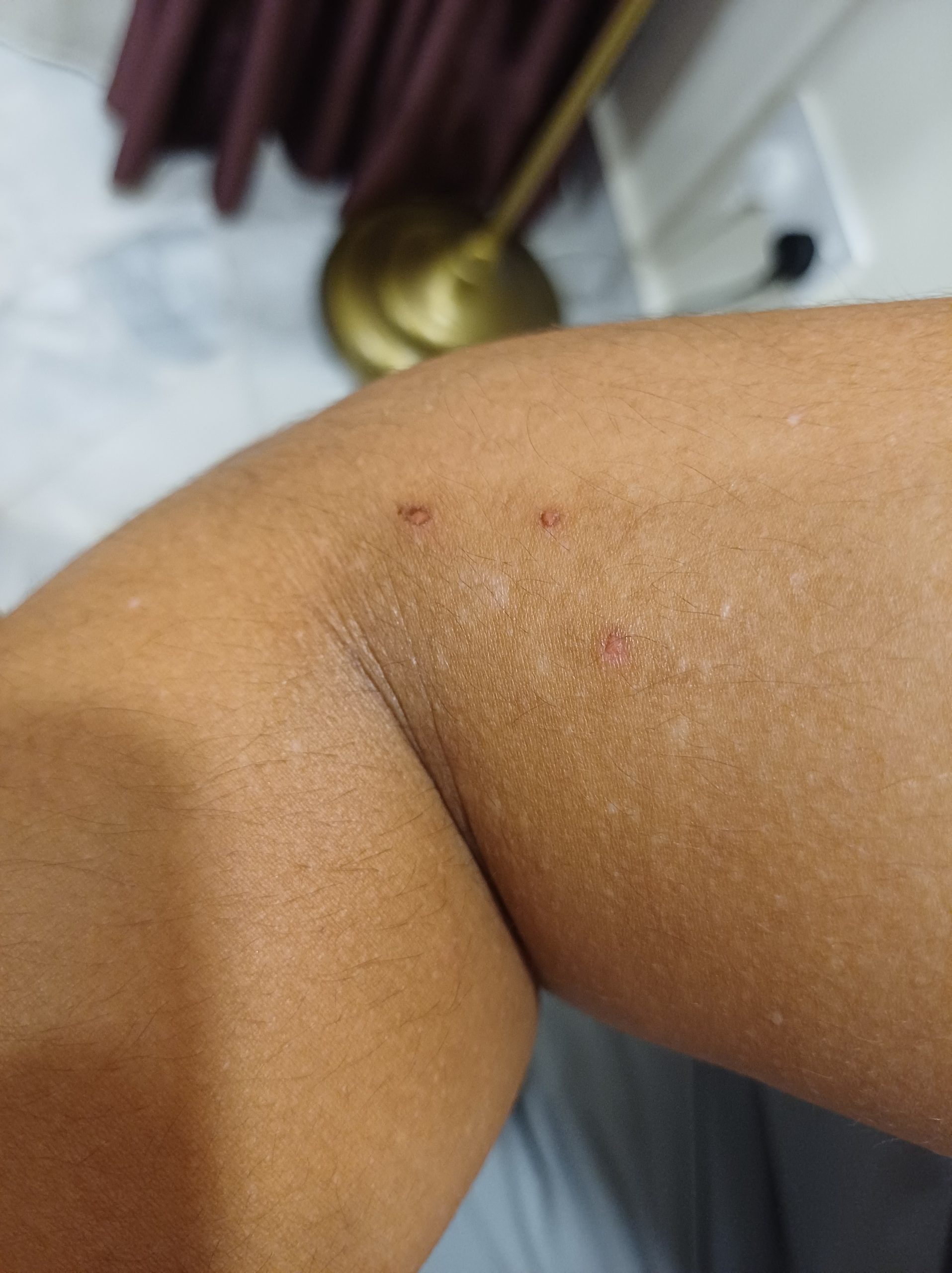

The appearance of bumps on your arm specifically when stressed could be related to a condition known as stress-induced urticaria or hives. This condition occurs when the immune system releases histamines and other chemicals into the bloodstream in response to emotional stress, leading to the formatiRead more
The appearance of bumps on your arm specifically when stressed could be related to a condition known as stress-induced urticaria or hives. This condition occurs when the immune system releases histamines and other chemicals into the bloodstream in response to emotional stress, leading to the formation of hives—raised, itchy welts on the skin.
Here are some relevant insights into this condition and components to consider:
1. Mechanism: Stress can trigger the release of neuropeptides and other factors that influence the immune system, causing the release of histamine from mast cells, leading to hives. These can present as red, raised bumps and are typically itchy.
2. Localization and Triggers: The fact that the bumps appear on a specific area like your arm might be due to localized sensitivity or mechanical pressure in that area, which is exacerbated by stress. This is known as dermographism or pressure urticaria.
3. Diagnosis: It is important to differentiate these from other skin conditions that can mimic hives or are influenced by stress, such as eczema or psoriasis. A healthcare professional can provide a thorough evaluation.
4. Management: Managing stress through techniques such as mindfulness, breathing exercises, or regular physical activity can help reduce symptoms. Over-the-counter antihistamines might also be effective in alleviating symptoms. However, consult with a healthcare provider for a treatment plan suited to your situation.
5. Monitoring and Consultation: Keeping a diary of when these bumps occur in relation to your stress levels and other potential triggers can provide valuable insight. Consult a dermatologist or an allergist for definitive diagnosis and tailored management strategies.
Remember, while stress-induced hives are common, other medical conditions might present similarly, so professional evaluation is recommended to rule out underlying causes.
See less





SQS 점수는 일반적으로 특정 건강 상태나 질병의 위험도를 평가하는 데 사용되는 점수 체계입니다. 그러나 SQS라는 용어는 다양한 맥락에서 사용될 수 있으며, 특정 질환이나 건강 상태에 따라 점수의 의미가 달라질 수 있습니다. 따라서 정확한 SQS 점수 기준표를 제공하기 위해서는 어떤 질환이나 건강 상태에 대한 SQS 점수를 문의하시는지 구체적으로 알려주셔야 합니다. 일반적으로 점수 체계는 다음과 같은 범주로 나뉠 수 있습니다: 1. 정상군: 이 범주는 일반적으로 위험이 낮거나 없는 상태를 나타냅니다. 점수는 보통 낮은 범위에 속합Read more
SQS 점수는 일반적으로 특정 건강 상태나 질병의 위험도를 평가하는 데 사용되는 점수 체계입니다. 그러나 SQS라는 용어는 다양한 맥락에서 사용될 수 있으며, 특정 질환이나 건강 상태에 따라 점수의 의미가 달라질 수 있습니다. 따라서 정확한 SQS 점수 기준표를 제공하기 위해서는 어떤 질환이나 건강 상태에 대한 SQS 점수를 문의하시는지 구체적으로 알려주셔야 합니다.
일반적으로 점수 체계는 다음과 같은 범주로 나뉠 수 있습니다:
1. 정상군: 이 범주는 일반적으로 위험이 낮거나 없는 상태를 나타냅니다. 점수는 보통 낮은 범위에 속합니다.
2. 중간 위험군: 이 범주는 약간의 위험이 존재할 수 있음을 나타내며, 점수는 중간 범위에 속합니다.
3. 고위험군: 이 범주는 높은 위험을 나타내며, 점수는 높은 범위에 속합니다.
각 범주의 정확한 점수 범위는 평가하는 질환이나 건강 상태에 따라 다르므로, 관련된 구체적인 지침이나 연구 자료를 참조해야 합니다. 특정 질환에 대한 SQS 점수 기준이 궁금하신 경우, 해당 질환의 최신 가이드라인이나 연구 자료를 확인하시기 바랍니다. 또한, 지역별로 사용되는 점수 체계가 다를 수 있으므로, 지역이나 국가의 가이드라인을 참조하는 것이 중요합니다.
See less