


is it normal for my child to have nosebleed once every few months? seems to happen randomly as I cant recall any particular triggers


In Singapore, paediatric cancer care is highly specialized and centralized in hospitals with dedicated paediatric oncology departments. Here are some of the leading hospitals and resources available for treating rhabdomyosarcoma: Hospitals Specializing in Pediatric Oncology: 1. KK Women's and ChildrRead more
In Singapore, paediatric cancer care is highly specialized and centralized in hospitals with dedicated paediatric oncology departments. Here are some of the leading hospitals and resources available for treating rhabdomyosarcoma:
Hospitals Specializing in Pediatric Oncology:
1. KK Women’s and Children’s Hospital (KKH)
– KKH is the largest medical facility in Singapore focusing on women’s and children’s healthcare. It has a comprehensive Paediatric Oncology Service that provides specialized care for various cancers, including rhabdomyosarcoma.
2. National University Hospital (NUH)
– NUH houses the National University Cancer Institute, Singapore (NCIS), providing a multidisciplinary approach to children’s oncology, with a team of specialists experienced in sarcoma management.
3. Mount Elizabeth Hospital
– Although a private institution, Mount Elizabeth has a reputation for housing some of the leading surgeons and specialists in various medical fields, including oncology.
Best Pediatric Onco-Surgeons:
While individual surgeons’ names and their reputations might change, at these institutions, you can find teams known for their expertise in paediatric oncology. You may wish to consider the following approach to identify the best surgeon for your niece:
– Consult with the hospital’s paediatric oncology department to get recommendations on leading onco-surgeons experienced in rhabdomyosarcoma.
– Meet the multidisciplinary team (MDT) who will likely involve paediatric oncologists, surgeons, and radiation oncologists working together on the case.
For the latest information regarding specific surgeons, contacting the hospitals directly or visiting their official websites for details on their practitioners could be beneficial.
General Considerations:
– For a rare condition like rhabdomyosarcoma, a multidisciplinary approach involving surgery, chemotherapy, and possibly radiotherapy is essential. Choosing a hospital with a strong support system for follow-up care such as rehabilitation, psychological support, and nutrition services can also be influential in the treatment journey.
Reminder:
It is vital to ensure that your niece’s case is discussed by paediatric oncologists who can tailor the treatment plan to her specific needs, considering factors such as age, subtype, and tumour location. Ensure to consult with healthcare professionals for personalized advice.
Please note that while healthcare resources are constantly being updated, the aforementioned information provides a starting point for identifying specialties in Singapore.
See less
The appearance of bumps on your arm specifically when stressed could be related to a condition known as stress-induced urticaria or hives. This condition occurs when the immune system releases histamines and other chemicals into the bloodstream in response to emotional stress, leading to the formatiRead more
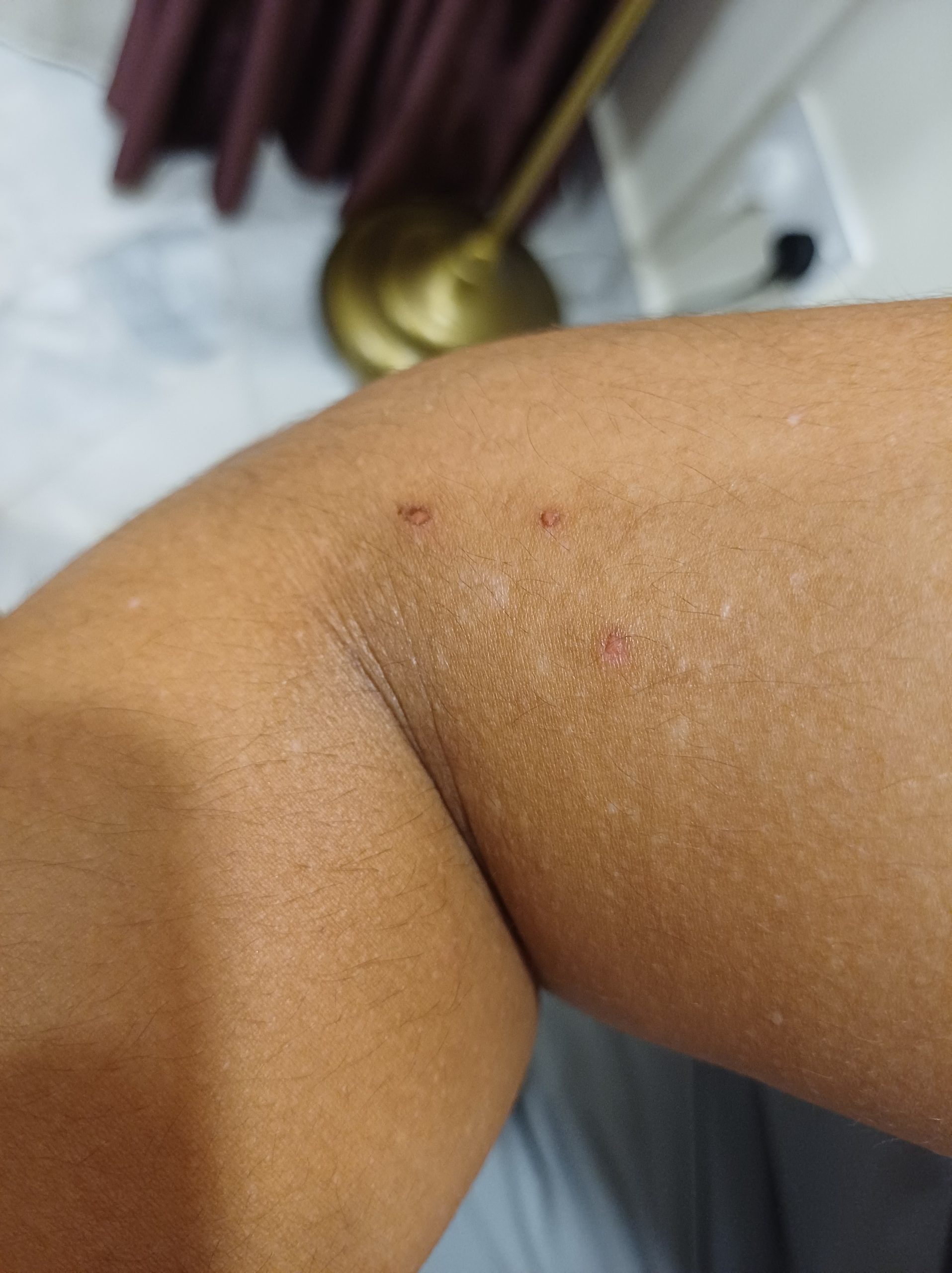
The appearance of bumps on your arm specifically when stressed could be related to a condition known as stress-induced urticaria or hives. This condition occurs when the immune system releases histamines and other chemicals into the bloodstream in response to emotional stress, leading to the formation of hives—raised, itchy welts on the skin.
Here are some relevant insights into this condition and components to consider:
1. Mechanism: Stress can trigger the release of neuropeptides and other factors that influence the immune system, causing the release of histamine from mast cells, leading to hives. These can present as red, raised bumps and are typically itchy.
2. Localization and Triggers: The fact that the bumps appear on a specific area like your arm might be due to localized sensitivity or mechanical pressure in that area, which is exacerbated by stress. This is known as dermographism or pressure urticaria.
3. Diagnosis: It is important to differentiate these from other skin conditions that can mimic hives or are influenced by stress, such as eczema or psoriasis. A healthcare professional can provide a thorough evaluation.
4. Management: Managing stress through techniques such as mindfulness, breathing exercises, or regular physical activity can help reduce symptoms. Over-the-counter antihistamines might also be effective in alleviating symptoms. However, consult with a healthcare provider for a treatment plan suited to your situation.
5. Monitoring and Consultation: Keeping a diary of when these bumps occur in relation to your stress levels and other potential triggers can provide valuable insight. Consult a dermatologist or an allergist for definitive diagnosis and tailored management strategies.
Remember, while stress-induced hives are common, other medical conditions might present similarly, so professional evaluation is recommended to rule out underlying causes.
See less