

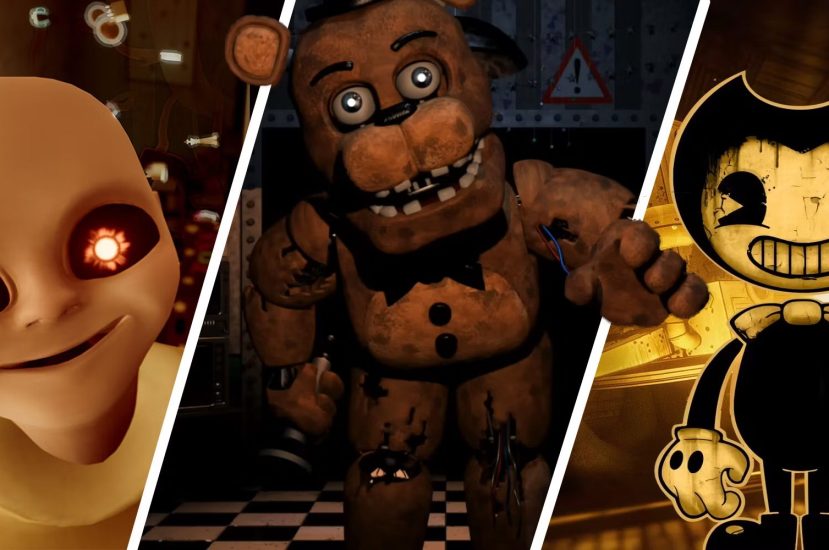
Do Not Take This Cat Home Horror Games
In horror games, there’s always that one moment where the game gives you a choice that feels way too innocent to be suspicious.
A dark alley. A quiet street. Or in this case… a small cat sitting alone, staring at you.
And the game tells you: Do not take this cat home.
So of course, you take the cat home.
That’s how it usually starts.
At first, everything seems fine. The cat looks harmless. Maybe even cute. It follows you around, sits quietly, doesn’t do anything weird. You start thinking the warning was just for atmosphere. Fake tension. Classic horror trick.
Then the details start changing.
The cat is in different places than you left it.
The sound design gets slightly off—too quiet when it shouldn’t be.
Sometimes you swear it’s looking at you longer than it should.
You ignore it, because it’s still just a cat, right?
But horror games don’t really rely on jumpscares anymore. They rely on that slow realization that something small is wrong and has been wrong for a while.
And the cat is always at the center of it.
In some versions of these games, the cat is just a trigger. A way to bring something else into your house. In others, it feels like the cat is the thing you shouldn’t have brought in. Either way, the message is the same: you were warned.
What makes “Do Not Take This Cat Home” style horror work so well is how normal it feels at the start. There’s no monster screaming at you from the beginning. No obvious danger. Just a decision that feels kind, almost silly to refuse.
And that’s exactly why people always fail it.
Because players don’t trust obvious warnings in games anymore. We assume the game is tricking us into not engaging with content. So we do the opposite. We take the cat. We open the door. We bring it inside.
And then the real horror begins.
Not loud. Not immediate. Just a slow breakdown of normality until you can’t remember when things started feeling wrong.
By the time you realize it, it’s too late to undo anything.
The cat is already home.


Leave a comment