

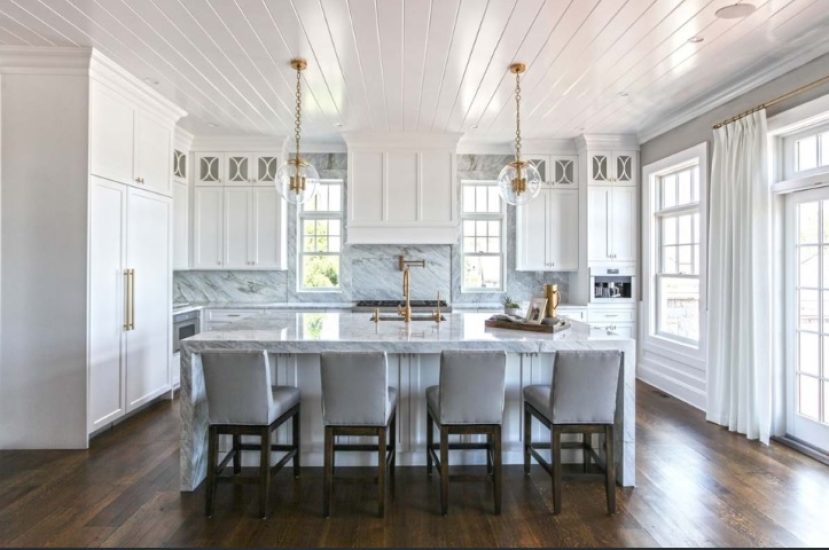
The intersection of residential architecture and personal physical health has completely shifted the entire focus of the home improvement industry in recent years. Homeowners no longer view their daily cooking areas simply as places to prepare meals; they view them as highly controlled physical environments where family health is actively protected. This industry-wide trend toward wellness-focused design prioritizes building materials and technologies that actively resist bacteria, heavily improve indoor air quality, and simplify heavy daily sanitation. Kitchen Traditions tracks these specific health-centric developments closely, guiding homeowners toward physical selections that build a safer, cleaner daily living experience. By analyzing the scientific properties of modern building materials, designers can significantly reduce the physical presence of harmful pathogens within the home.
The most significant structural shift in hygienic design involves the rapid departure from porous natural stones toward highly engineered, non-porous physical surfaces. For decades, natural granite served as the ultimate status symbol of high-end residential construction, despite requiring constant chemical sealing to prevent raw meat juices and bacteria from seeping into its microscopic fissures. The market has heavily corrected this massive oversight, turning toward engineered quartz and ultra-compact porcelain slabs that feature an absolute zero-porosity rating. These modern physical surfaces physically cannot absorb liquids, making them incredibly resistant to bacterial growth and entirely immune to deep stains. Wiping down a non-porous counter with simple soap and water guarantees a fully sanitized surface without the need for harsh, highly toxic chemical cleaners.
Air quality management has also emerged as a massive physical priority for wellness-focused homeowners, completely changing how ventilation systems are structurally specified. Traditional, low-powered recirculating fans merely push smoke, hot grease, and microscopic cooking particulates back into the immediate breathing zone, heavily degrading the indoor air quality. When planning the exact specifications of a high-end CT kitchen remodel installing a commercial-grade, exterior-vented extraction hood is absolutely required to protect respiratory health. These powerful mechanical systems physically remove harmful volatile organic compounds, lingering moisture, and aerosolized grease completely out of the building. Maintaining clean air during heavy meal preparation heavily prevents respiratory irritation and stops sticky grease from settling permanently onto the surrounding wooden cabinetry and walls.
Touchless technology, once reserved strictly for commercial public restrooms, has firmly established itself in high-end residential design to combat dangerous cross-contamination. Handling raw poultry and then physically grabbing a heavy metal faucet handle immediately transfers dangerous bacteria to a surface that the entire family touches daily. Motion-sensor plumbing faucets eliminate this severe health hazard entirely, allowing the user to start and stop the physical water flow with a simple wave of a messy hand. This specific technological integration drastically cuts down on the physical spread of illnesses during cold and flu season while making daily cleanup significantly faster. The industry is also seeing a heavy rise in voice-activated lighting and foot-pedal trash receptacles, further reducing the physical touchpoints required to operate the room.
The physical design of the sink and its surrounding drainage area heavily impacts the long-term hygiene and safety of the space. Traditional drop-in sinks feature a raised physical lip that sits heavily on top of the stone counter, creating a tiny, inaccessible seam that acts as a magnet for trapped moisture, rotting food particles, and black mold. The wellness-focused standard strictly demands an undermount sink installation, where the stone countertop flows perfectly straight into the metal basin with no interrupting rim. This allows the homeowner to wipe crumbs and liquids directly into the drain with a single motion, leaving absolutely nothing behind to decay on the surface. Selecting a sink manufactured from a single piece of heavy-gauge stainless steel further prevents dangerous bacteria from hiding in sharp corners.
Finally, structural flooring choices have adapted to meet these strict new sanitation requirements, heavily moving away from materials featuring deep physical textures or wide grout lines. Deeply grooved wood or highly textured stone physically traps dirt and requires aggressive, exhausting manual scrubbing to achieve a genuinely clean state. Large-format porcelain tiles minimize the total number of grout lines present on the floor, heavily reducing the areas where dirt and bacteria can accumulate. Using an epoxy-based grout rather than a traditional cement-based product ensures that the joints remain completely waterproof and highly resistant to physical staining. This heavy focus on smooth, unbroken surfaces ensures that regular sweeping and a simple damp mop are entirely sufficient for maintaining a perfectly clean environment.
Conclusion
The modern approach to residential design actively prioritizes the physical health and safety of the family by focusing heavily on daily sanitation and air quality. Specifying non-porous stone countertops, exterior-vented air extraction, and touchless plumbing fixtures completely changes how the physical environment handles bacteria and air pollutants. Eliminating sharp physical corners, raised sink rims, and porous grout lines ensures that the space can be cleaned completely with minimal physical effort or harsh chemicals. This wellness-focused structural methodology creates a beautiful, highly durable room that actively protects the inhabitants every single day.
Call to Action
Protecting your family’s physical health begins with selecting the absolutely correct materials and ventilation systems for your daily cooking environment. You need a dedicated design partner who understands the specific scientific properties of modern surfaces and high-grade air extraction. Prioritize long-term physical health and effortless sanitation in every single residential project you undertake. Start designing a noticeably cleaner, much safer home today. Visit https://kitchentraditions.net/ to review specific health-focused design strategies.



Leave a comment